Matrain

CASE 1 / PERMANENT EXHIBIT / OUTREACH

Designed forthe place, timeand people.

TEPIA and Matrain jointly developed two Smart Train experiences around the venue, session time, participant ages and available operating team.
Smart Train used in a TEPIA activity
TEPIA Advanced Technology Gallery / PERMANENT EXHIBIT / OUTREACH

Background

Build an experience the venue can operate—not just an installation.

Smart Train is used in TEPIA's permanent exhibit and outreach activities. TEPIA and Matrain developed the track layout, activity flow, participant tasks and facilitator materials from the ground up, taking account of limited space, session length and day-to-day operation.

Permanent exhibit
Scratch · about 10 minutes · two groups
Outreach
Color snaps · about 30 minutes · four groups
Jointly developed
Activity design, tasks and facilitator materials

Decision record

What was considered,
chosen and verified.

Scope: public information and facts involving Matrain.
1Implementation consideration

Fit the available place, time and operating team.

A fixed-track permanent exhibit and outreach sessions for mixed ages require different activity designs. Space, session length, participant count and facilitator experience all shaped the result.

2Chosen approach

Scratch for the permanent exhibit; color snaps for outreach.

The exhibit provides a guided Scratch experience of about ten minutes. Outreach uses a thirty-minute sequence of beginner, intermediate and advanced color-snap tasks, completed at each group's own pace.

3Verified in practice

Two facilitators can support four groups at their own pace.

When local university students act as facilitators, they first receive about two hours of preparation. Participant worksheets also guide facilitation, making the operating flow easier to follow for people new to Smart Train.

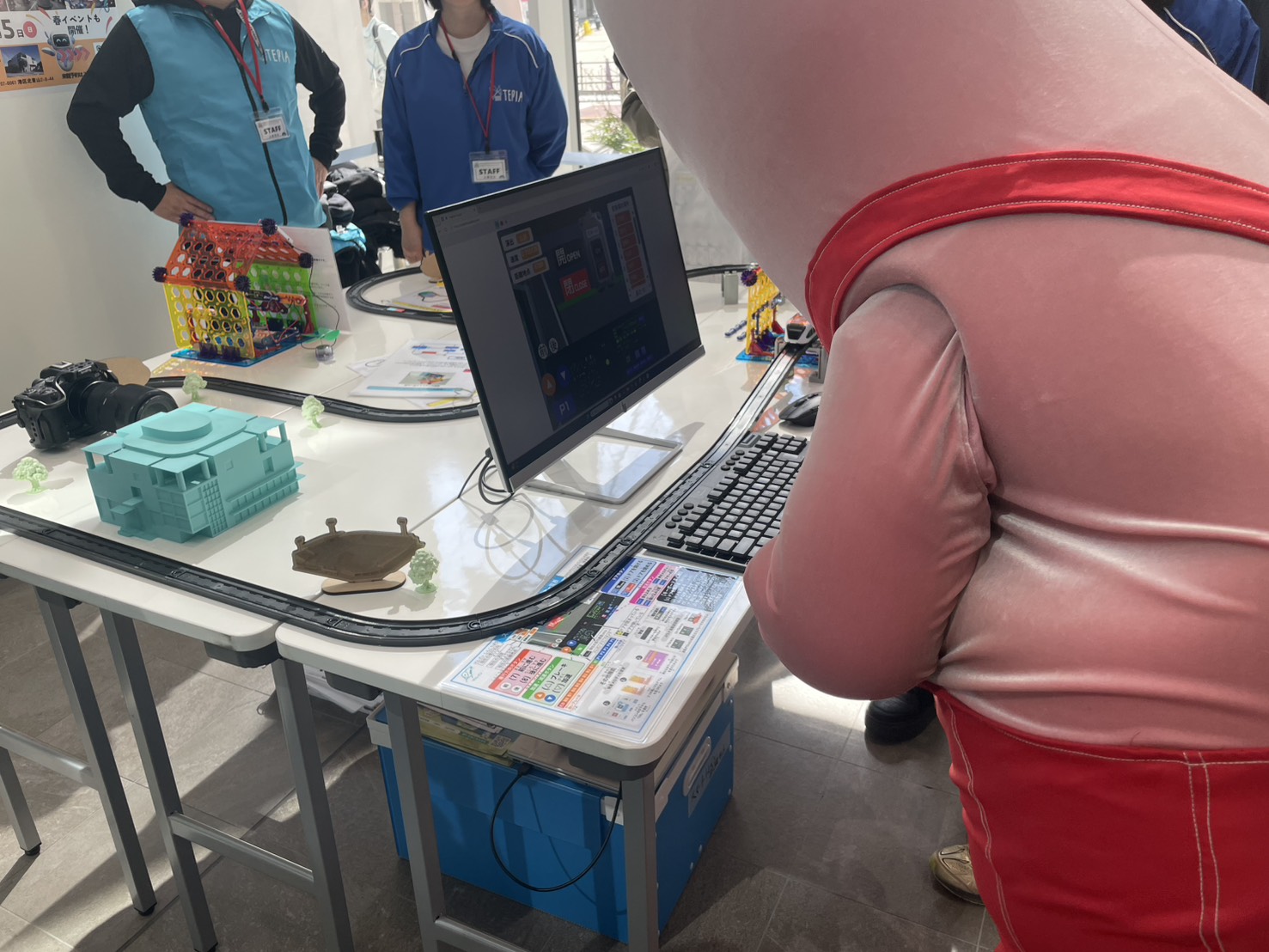
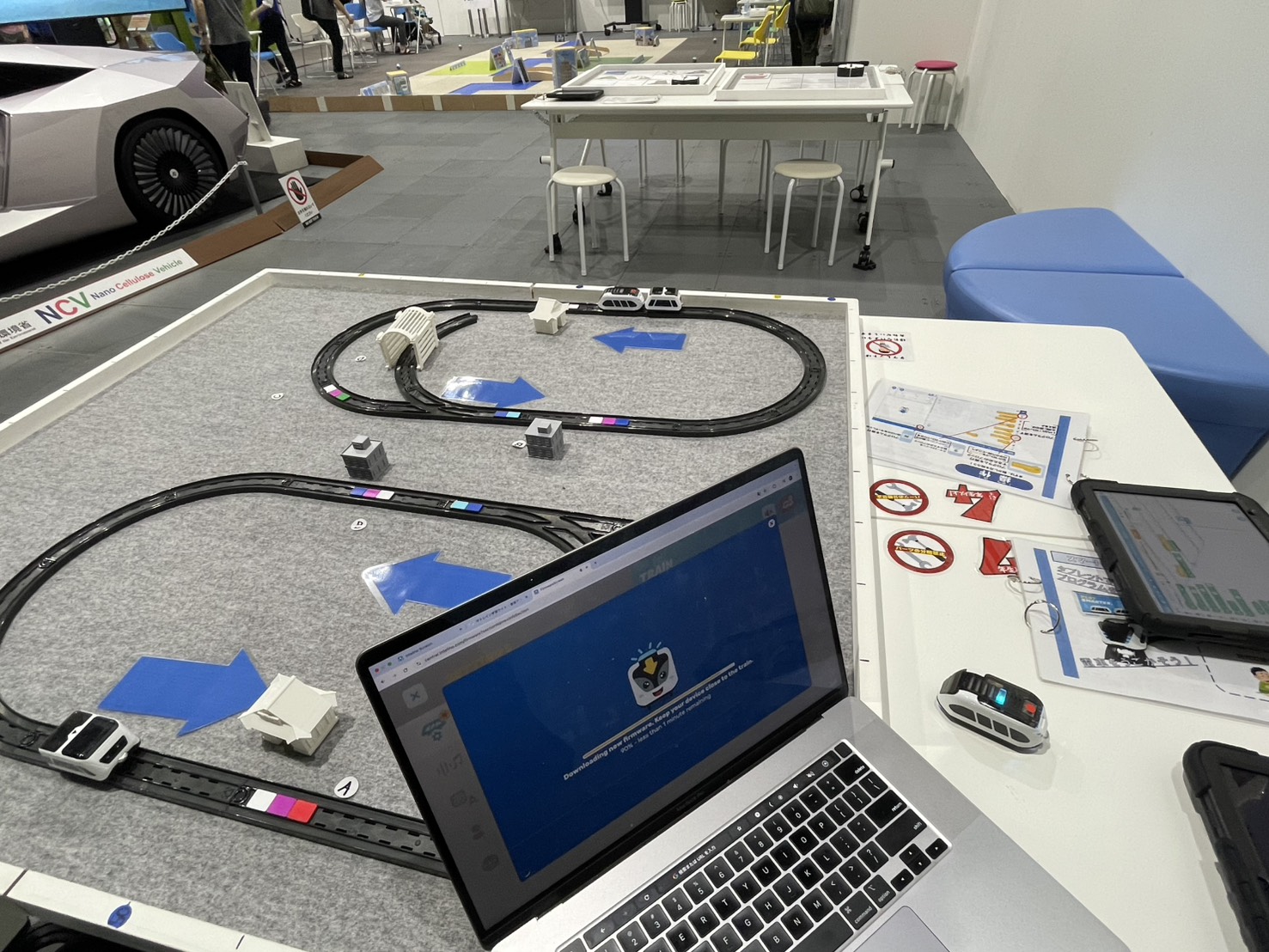
Smart Train permanent exhibit at TEPIA
1

Permanent exhibit

A ten-minute route into Scratch.

Two kits and a fixed track allow two groups to use Scratch at the same time. First-time visitors follow an approximately five-page guide, with a staff member helping through the first five minutes. Returning visitors may begin creating their own movements without the guide.

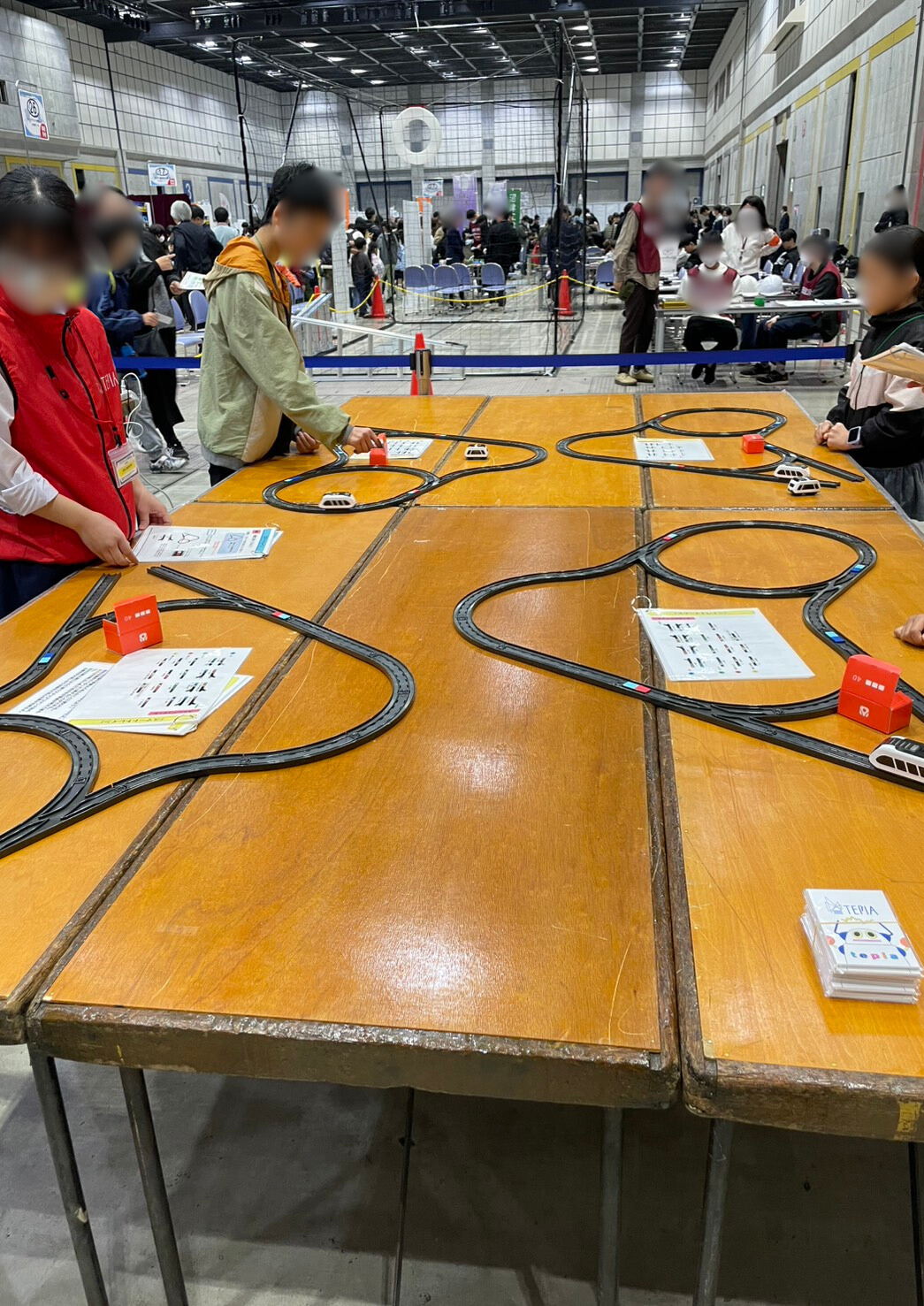
Four groups working at their own pace during a TEPIA Smart Train outreach activity
2

Outreach

Different ages, each moving at their own pace.

Participants from first grade through the first year of junior high school take part alone or with a parent. Four groups begin together and work through beginner, intermediate and advanced tasks. Extension tasks are available for the few who finish early.

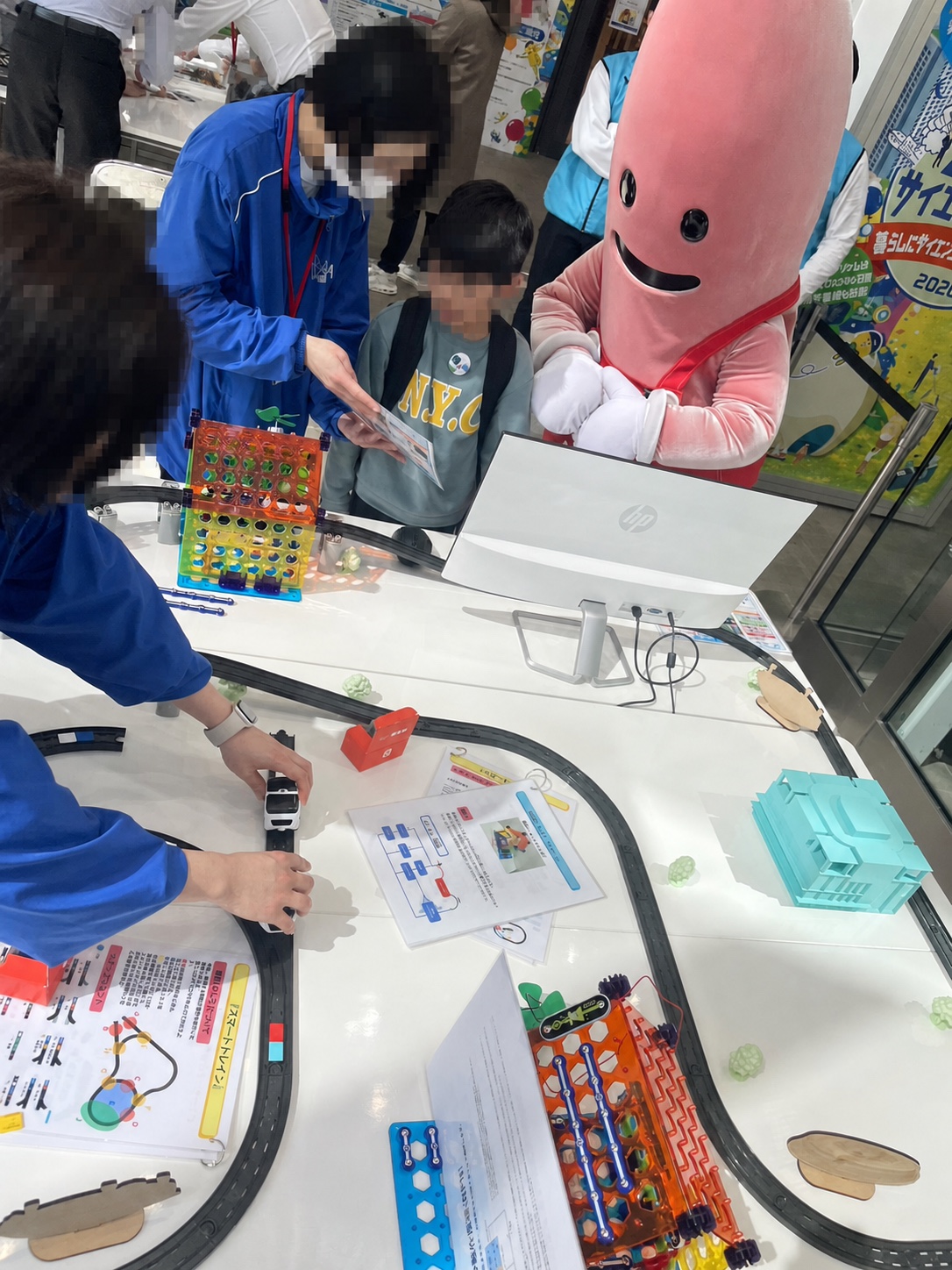
A facilitator supporting participants in a TEPIA outreach activity
3

Facilitation

Protect time to think before giving the answer.

When a participant becomes stuck, the facilitator first offers a hint and thinks through the problem with them. They try again by moving the snaps. An answer is given only when someone remains blocked at the first task for too long, so that they can continue into the rest of the experience.

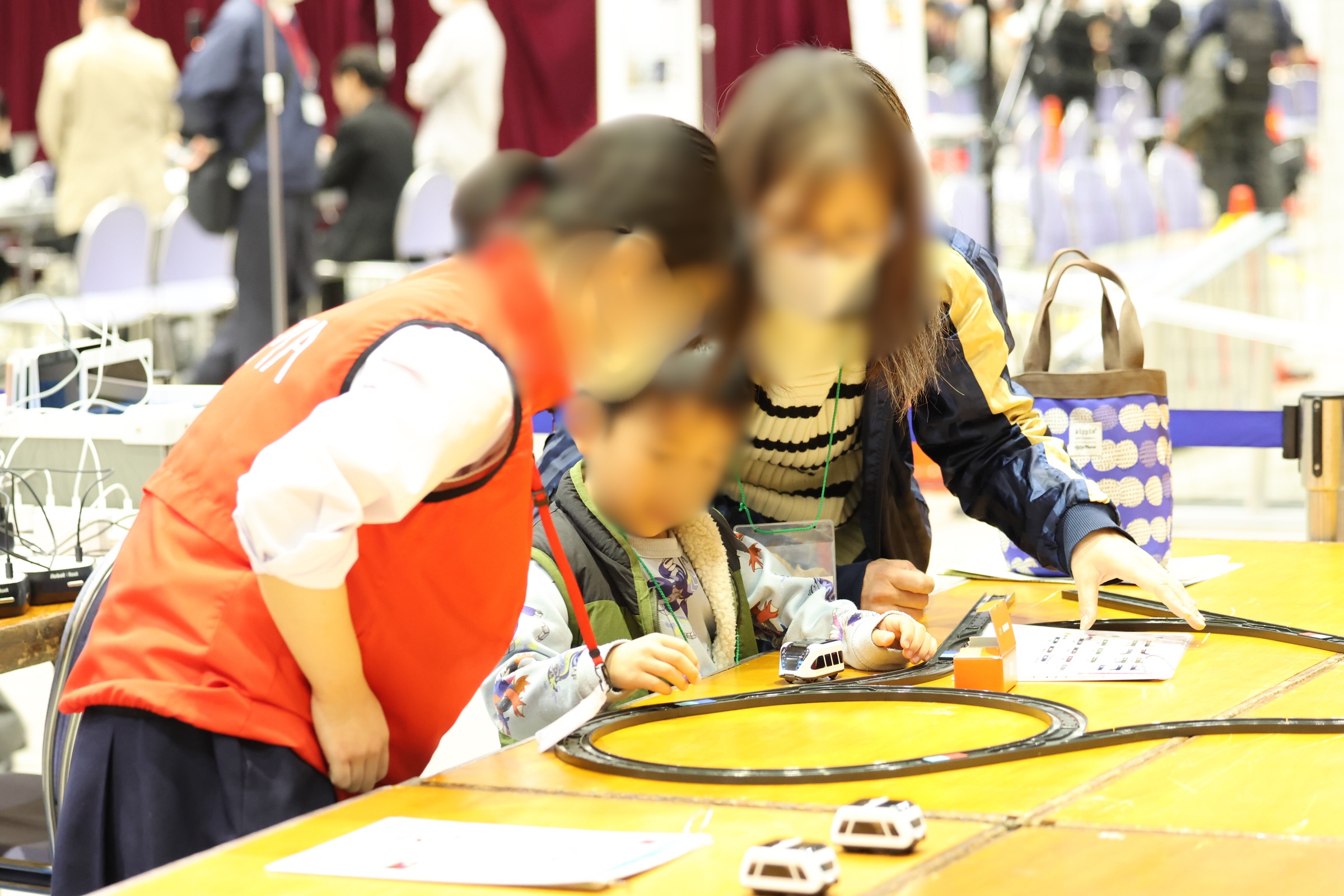
A parent and child working on a Smart Train color-snap activity
4

Observed interaction

Parents and children share the moment it works.

Many families talked through the task slowly together. After repeated attempts, children called out when they succeeded and parents responded to that achievement. The activity became time spent thinking about the same problem, not only completing a worksheet.

What this case shows

Design the operating experience, not only the product installation.

The permanent exhibit and outreach use the same product under different time, age, group and staffing conditions. What TEPIA and Matrain developed together includes not only tracks and tasks, but also a repeatable operating method that helps new facilitators preserve each participant's time to think.

Public source: TEPIA programming workshop ↗Public source: TEPIA official outreach post ↗Public source: TEPIA official Smart Train post ↗Official TEPIA website ↗Discuss organizational use →